Introduction: Beyond the Graduation Gift
Finding the best first cars for college students in USA is a critical decision for parents and young drivers in 2026. In 2026, the stakes are higher than ever. Choosing the wrong vehicle—no matter how stylish it looks in the parking lot—can quietly drain thousands of dollars through soaring fuel prices, high insurance premiums for drivers under 25, and unexpected repair bills.
The smartest choice isn’t necessarily the fastest or the newest car on campus. It’s the one that survives years of daily commuting while remaining financially invisible in your monthly budget. At SwatWheelz, we’ve moved past the generic lists to provide a realistic automotive authority guide for parents and students who want to prioritize reliability and safety over flashiness.
What Makes a “Real” College Student Car?
Before you start browsing Facebook Marketplace or local dealerships, you need to look at ownership through an expert lens. A true student-friendly vehicle must pass the “Campus Practicality Test”:
-
Insurance Predictability: Some sporty-looking coupes trigger massive red flags for US insurers. We focus on “boring” but safe sedans that keep your premiums manageable.
-
Maintenance Simplicity: A student needs a car that any local mechanic in a college town can fix. Avoid luxury European brands where a single sensor replacement can cost a whole month’s rent.
-
Parking Ease: Most university garages were built decades ago with tight spaces. Compact agility is a superpower when you’re running five minutes late for a mid-term.
-
Winter Confidence: For those attending school in the “Snow Belt,” front-wheel drive (FWD) with quality tires is the minimum requirement, though All-Wheel Drive (AWD) provides an extra layer of safety.
Quick Comparison: The Best Student Vehicles at a Glance
| Vehicle | Price Range | Est. Annual Fuel Cost | Safety Rating (IIHS) | Best Student Type |
| Toyota Corolla | $16k – $24k | $1,400 | Top Safety Pick+ | The Daily Commuter |
| Honda Civic | $15k – $26k | $1,350 | Top Safety Pick | The Style Conscious |
| Toyota Prius | $18k – $32k | $1,100 | Top Safety Pick+ | High Mileage Drivers |
| Honda CR-V | $14k – $28k | $1,800 | Top Safety Pick | The Cargo Hauler |
| Mazda3 AWD | $15k – $24k | $1,650 | Top Safety Pick+ | Snow Belt Students |
| Subaru Crosstrek | $17k – $26k | $1,600 | Top Safety Pick | Outdoor Enthusiasts |
| Hyundai Elantra | $12k – $22k | $1,500 | Top Safety Pick | Budget & Tech Focused |
| Toyota Camry | $19k – $28k | $1,550 | Top Safety Pick+ | Long Distance Travelers |
Top 12 Best First Cars for College Students in USA
1. Toyota Corolla (2019–2026) – The Parking Lot King
There is a reason college parking lots across the U.S. are full of Corollas—they are cheap to run, easy to maintain, and rarely surprise owners with expensive repairs.
-
Campus Practicality: Its compact size makes it a breeze to park in tight university structures.
-
The Ownership Reality: While the interior isn’t luxury, the standard Apple CarPlay and Toyota Safety Sense (on 2020+ models) provide exactly what a modern student needs.
-
Safety & Insurance: It is consistently rated as one of the safest compact cars, which helps keep insurance rates for young drivers at the lower end of the spectrum.
-
The Catch: It can feel a bit sluggish on steep highway on-ramps.
2. Honda Civic (2018–2026) – The Tech-Savvy All-Rounder
The Civic balances a sporty driving feel with the kind of reliability that parents find comforting. It’s the car for the student who wants a bit more “personality” in their daily drive.
-
Ownership Experience: Honda’s ergonomics are top-notch; everything from the volume knob to the seat adjustment feels intuitive.
-
Student Focus: If you’re a student who also works a part-time job or has a long highway commute, the Civic’s 40+ highway MPG is a literal life-saver for your wallet.
-
Safety Reputation: Consistently earns high marks in side-impact crash tests.
-
The Catch: The low ground clearance means you have to be careful with high curbs and deep snow.
3. Toyota Camry (2018–2025) – The Long-Distance Specialist
If your college is 500 miles away from home, you need a mid-size sedan that can handle long highway stretches with ease.
-
Why it fits: It’s more comfortable and quieter than the Corolla. The 2018+ models have a very reliable 4-cylinder engine that is surprisingly good on gas.
-
Student Type: Best for students who travel state-to-state or plan to use their car for a side hustle.
-
Maintenance: Standard Toyota parts availability means you won’t be stranded in a small college town waiting for components.
4. Mazda3 (2019–2025) – The Winter Commuter’s Choice
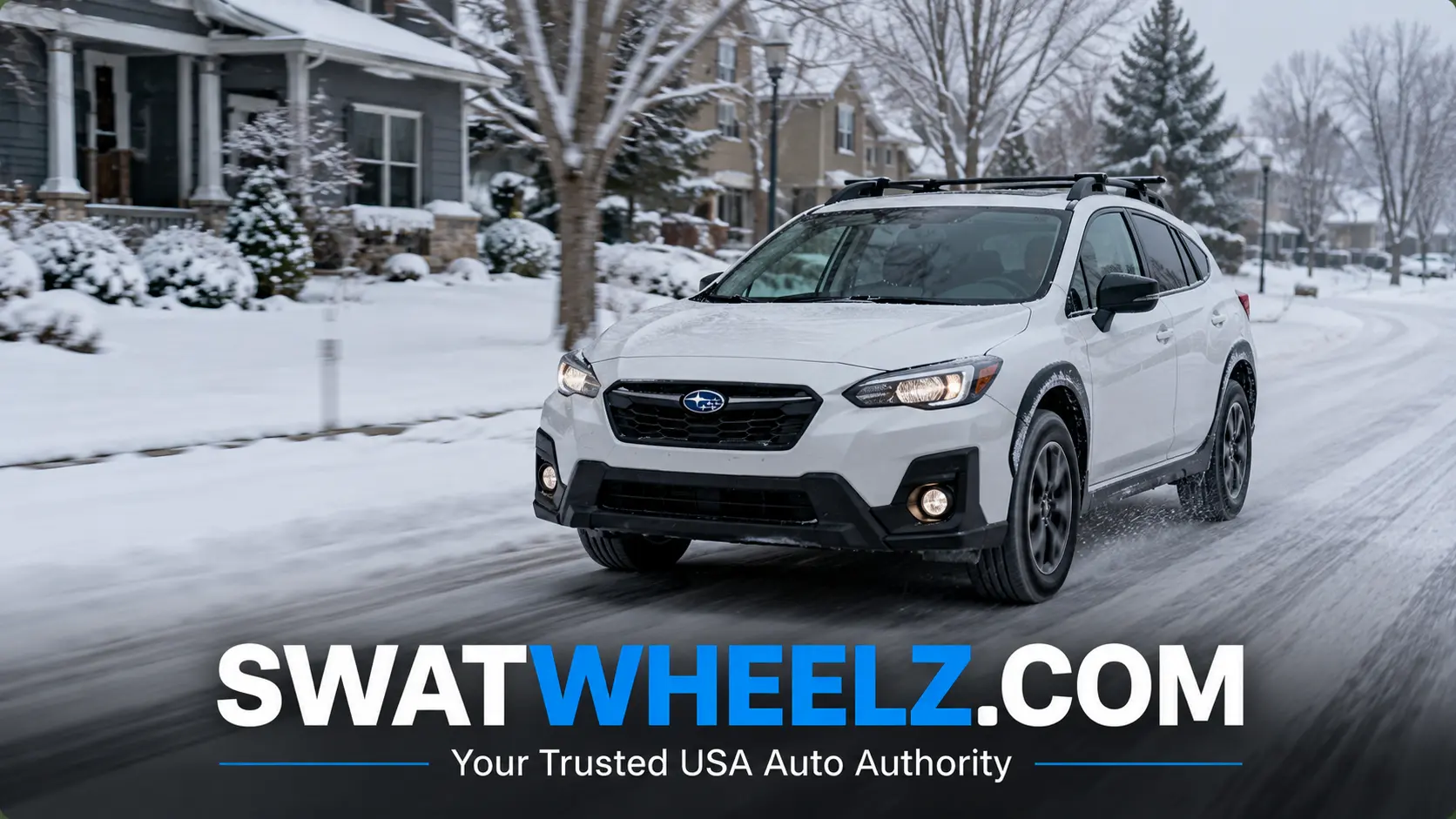
While most compact cars struggle in heavy snow, the Mazda3 with i-Activ AWD (All-Wheel Drive) is a fortress on wheels for students in states like Maine or Minnesota.
-
Campus Practicality: It feels like a luxury car inside, but the maintenance costs are strictly economy-class. The hatchback version is particularly useful for moving dorm supplies.
-
Winter Performance: Its predictive AWD system monitors road conditions 200 times per second to prevent slips before they happen.
-
The Catch: The rear C-pillars are thick, creating larger blind spots than the Civic or Corolla.
5. Toyota Prius (2018–2024) – The Budget Savior
If your university is a long distance from your hometown, the Prius is essentially a license to print money through fuel savings.
-
Real-World Utility: Its liftback design allows you to fit surprisingly large items—like a mini-fridge or a bike—that wouldn’t fit in a standard sedan trunk.
-
The Ownership Reality: It’s not about speed; it’s about going 500+ miles on a single tank. For students working part-time jobs, this is the lowest operating cost vehicle on the market.
-
The Catch: The “hybrid battery anxiety” is real for used models; always check the battery health if buying one with over 150k miles.
6. Subaru Crosstrek (2019–2025) – The Adventure Partner
Perfect for the student who spends their weekends hiking, skiing, or camping. It’s essentially a lifted Impreza built for rugged use.
-
Safety Focus: Subaru’s EyeSight Driver Assist technology is standard on most trims, providing a virtual set of eyes on the road.
-
Student Appeal: It has 8.7 inches of ground clearance, which is more than many large SUVs. This makes it immune to deep snow and unpaved campus overflow parking.
-
The Catch: The infotainment system can be a bit laggy compared to Hyundai or Honda.
7. Hyundai Elantra (2021–2026) – The Tech & Warranty Powerhouse
For the student who wants the “newest” feeling car for the least amount of money.
-
Why it wins: You get features like Wireless Apple CarPlay and a fully digital dash in used models that are much cheaper than a basic Toyota.
-
The Warranty Advantage: If you buy a Certified Pre-Owned (CPO) model, you get the remainder of that legendary 10-year/100,000-mile powertrain warranty.
-
The Catch: Steering feels a bit “numb” and light on the highway.
8. Honda CR-V (2016–2022) – The Cargo Queen
If you are the student who always helps friends move or carries sports gear, the CR-V is the gold standard of practical SUVs.
-
Insurance Angle: Surprisingly, the CR-V is often cheaper to insure for a 19-year-old than a “sporty” Civic.
-
Reliability: The 2.4L engine in older models is famous for hitting 250,000 miles with basic oil changes.
-
The Catch: It’s a high-theft target in certain US cities, so always use a steering wheel lock.
9. Honda Accord Hybrid (2020–2025) – The Executive Student
For the mature student who wants more legroom and a quiet cabin for long study-break drives.
-
Space Advantage: The rear seat is massive—nearly as much legroom as a full-size luxury sedan.
-
The Catch: It’s longer and wider, making it slightly more stressful to park in tight university garages.
10. Hyundai Sonata (2020–2024) – The Modern Value Pick
A sleek, tech-heavy alternative to the Camry that often sells for $3,000–$4,000 less on the used market.
11. Kia Forte (2021–2026) – The Budget-First Solution
Simple, effective, and extremely affordable. It’s the perfect “Point A to Point B” car for a student on a strict budget.
12. Nissan Sentra (2021–2026) – The Stylish Underdog
The latest Sentra generation looks fantastic and offers “Zero Gravity” seats that make long commutes much more tolerable.
Cars College Students Should Avoid Buying
To sound like a true expert, we must warn students against these “tempting traps:
-
Old German Luxury (BMW 3 Series/Audi A4): A $10,000 BMW is actually a $50,000 car when it breaks. One sensor failure can cost $1,500—essentially a semester’s worth of groceries.
-
High-Mileage Sports Cars: A 150k mile Mustang or Camaro might look cool, but the insurance premiums for a student will be astronomical, and the repair costs are high.
-
Large V8 SUVs (Tahoe/Expedition): Unless you are towing a boat to campus, the 12–14 MPG will drain your bank account faster than your tuition bill.
-
Modified Vehicles: Avoid cars with aftermarket “tunes,” loud exhausts, or lowered suspensions. These have often been driven hard and are less reliable.
Best First Cars by Budget
Finding the best first cars for college students in USA doesn’t have to break the bank.
-
Best Under $15,000: 2017–2018 Toyota Corolla or 2016 Honda Civic.
-
Best Under $20,000: 2021 Hyundai Elantra or 2020 Mazda3.
-
Best Hybrid Option: 2019 Toyota Prius.
-
Best SUV Option: 2017 Honda CR-V or 2018 Toyota RAV4.

Quick Buying Tips
-
Check the VIN: Always run a history report on sites like Carfax.
-
Get a PPI: Never buy a used student car without a professional mechanic’s inspection.
-
Test Drive: Listen for any strange noises during a 15-minute drive on both city streets and highways.
New vs. Used Cars: The 2026 Student Reality
In the current US automotive market, the decision between new and used is no longer just about the sticker price; it’s about interest rates and depreciation curves.
-
The Argument for Used: A 3-year-old Toyota Corolla or Honda Civic has already taken its biggest “depreciation hit.” You can save roughly 30-40% off the original MSRP while still getting modern safety features like lane-keep assist and automatic braking. For a student, this also means lower annual registration fees and significantly cheaper insurance premiums.
-
The Argument for New: For parents who prioritize peace of mind, a new Hyundai Elantra or Kia Forte comes with a 10-year/100,000-mile warranty. This eliminates the risk of a $2,000 repair bill hitting during finals week. Additionally, many manufacturers offer a “College Graduate Rebate” of $500–$1,000, which can help offset the higher price tag.
Insurance 101 for College Students: Saving Your Budget

Insurance is often the most expensive part of car ownership for anyone under 25. In states like Florida or Michigan, monthly premiums can sometimes exceed the car payment itself.
Full Coverage vs. Liability
If you are financing your car, the bank will require Full Coverage. However, if you bought an older car with cash (like a $10,000 Corolla), switching to Liability Only could save you $100+ per month. Just remember: liability won’t pay for your car if you cause an accident.
Discounts You Should Ask For
-
The Good Student Discount: Most US insurers (GEICO, State Farm, Progressive) offer up to 25% off if you maintain a 3.0 GPA or higher. It’s the easiest way to get paid for studying.
-
Telematics (Tracking Apps): If you’re a safe driver who doesn’t speed or drive late at night, apps like State Farm’s Steer Clear or Progressive’s Snapshot can lower your rates by another 15-30%.
-
Distant Student Credit: If you go to college at least 100 miles away from home and leave the car at your parents’ house, your premium will drop drastically.
Hidden Costs: The “Campus Reality”
Before you commit, remember that owning a car in a college town comes with specific local expenses:
-
Campus Parking Permits: Some universities like Ohio State or Texas A&M can charge $600–$900 per year just for a parking spot.
-
Tire Replacement: Student cars often sit in parking lots for weeks, leading to flat spots, or they hit potholes on poorly maintained campus roads. A set of four tires for a small sedan will cost around $600–$800.
-
Registration and Taxes: Depending on the state (like Nevada or California), annual registration fees are based on the car’s value. A newer car means a higher tax bill every year.
Real-Life Ownership Example: The Math That Matters
To understand why we prioritize reliability, let’s compare two typical student scenarios over one academic year (roughly 12,000 miles):
| Expense Type | Student A (2012 BMW 3 Series – Used) | Student B (2019 Toyota Corolla – Used) |
| Fuel (Avg. 22 MPG vs 35 MPG) | $2,180 | $1,370 |
| Insurance (Young Driver Premium) | $3,400 | $2,100 |
| Repairs (Routine + Unexpected) | $1,850 (Leaking Gasket) | $350 (Oil/Brakes) |
| Total Annual Cost | $7,430 | $3,820 |
The Verdict: Student B saves $3,610 per year. That is enough money to cover a summer internship’s rent or a full year of textbooks and meal plans.
Frequently Asked Questions (FAQs)
What is the single best first car for a student?
While “best” depends on your budget, the Toyota Corolla (2018-2022) remains the gold standard for reliability and low ownership costs.
Should I buy an SUV for college?
Only if you truly need the space for move-in days or snowy climates. Otherwise, the higher fuel and insurance costs of an SUV like the Honda CR-V might not be worth it.
Is it safe to buy a car with 100,000 miles?
On a Toyota or Honda, yes—if the maintenance records show regular oil changes. For other brands, 100k miles is often when expensive suspension or engine parts need replacement.
Are hybrids worth it for students?
If you commute more than 30 miles daily, a Toyota Prius will pay for its higher purchase price in fuel savings within two years.
What is the safest car for a teen driver?
Look for the IIHS Top Safety Pick+ rating. Mid-size sedans like the Toyota Camry or Mazda3 consistently earn these top marks.
In summary, the best first cars for college students in USA are those that provide peace of mind and financial stability.
Final Verdict: The Smart Path to Graduation
The best college car isn’t the one that gets the most looks in the fraternity parking lot; it’s the one that lets you focus on your degree without the stress of a $1,000 repair bill or a draining gas tank.
If you are a commuting student, prioritize MPG. If you are in a snowy state, prioritize AWD. But above all, prioritize Reliability. At SwatWheelz, we’ve seen thousands of students struggle with unreliable “dream cars.” Don’t be that student. Choose a vehicle that balances affordability, safety, and fuel efficiency for a stress-free journey to your graduation.