Introduction: The Affordable Electric Revolution
The dream of owning a high-tech, fuel-free vehicle is no longer reserved for the wealthy. In 2026, finding the best electric cars under $30000 in USA has become a practical reality for millions of American commuters. With gas prices in states like California and New York reaching record highs, switching to an electric vehicle (EV) is one of the smartest financial moves you can make this year.
Beyond just saving money at the pump, buyers are now taking advantage of localized state incentives and a thriving used EV market. Whether you are a student looking for a reliable city car or a professional needing a long-range commuter for your daily drive to work, there is an electric car on this list that fits your budget. At SwatWheelz, we have analyzed driving ranges, charging speeds, and long-term battery reliability to bring you the ultimate 2026 guide.
Top 10 Best Electric Cars Under $30,000 in USA
1. 2021–2023 Chevrolet Bolt EV (The Range Champion)
The Chevy Bolt continues to be the “gold standard” for affordability in the American EV market.
-
Description: A spacious hatchback that offers a smooth, quiet ride and enough range to handle a week’s worth of commuting on a single charge.
-
Pros: Incredible 259-mile range, compact enough for easy city parking, and very low maintenance costs.
-
Cons: DC fast charging is limited to 55kW (slower than newer rivals); interior plastics feel a bit basic.
-
Estimated Price: $19,000 – $24,500 (Used).
-
Driving Range: 259 miles per charge.
-
Charging Time: ~7 hours on a Level 2 home charger.
-
Best Use Case: Long-distance commuters and ride-share (Uber/Lyft) drivers in major US cities.
2. 2020–2022 Tesla Model 3 Standard Range (The Premium Value)
As more Model 3s enter the used market, it has officially become one of the best electric cars under $30000 in USA.
-
Description: The car that defined the modern EV era. It offers unmatched technology and access to the best charging network in the world.
-
Pros: Access to the Tesla Supercharger network, high-performance acceleration, and over-the-air software updates.
-
Cons: All controls are on the touchscreen (no physical buttons); insurance costs can be higher.
-
Estimated Price: $25,000 – $29,900 (Used).
-
Driving Range: 220–263 miles per charge.
-
Charging Time: 15 minutes for 175 miles at a Tesla Supercharger.
-
Best Use Case: Tech-savvy buyers and those who plan to take frequent road trips across the USA.
3. 2021–2023 Nissan Leaf (The Urban Specialist)
The Nissan Leaf is a proven veteran that offers a very comfortable entry point for first-time EV buyers.
-
Description: A dependable hatchback known for its “e-Pedal” technology, which allows for one-pedal driving in heavy city traffic.
-
Pros: Very comfortable seats (Zero Gravity), simple and intuitive dashboard, and widely available across US dealerships.
-
Cons: The CHAdeMO charging port is becoming outdated; air-cooled battery is not ideal for very hot states like Arizona.
-
Estimated Price: $17,500 – $22,000 (Used).
-
Driving Range: 149–226 miles (depending on battery pack).
-
Charging Time: 8–11 hours (Level 2).
-
Best Use Case: Local errands, school runs, and short daily commutes.
4. 2020–2022 Hyundai Kona Electric (The Stylish Crossover)
For those who want a bit more height and SUV-like styling, the Kona Electric is a fantastic budget-friendly option.
-
Description: A subcompact SUV that packs a lot of personality and a very impressive driving range for its size.
-
Pros: Great standard safety features, 250+ mile range, and a very competitive used price.
-
Cons: Rear seat and cargo space are a bit cramped compared to a full SUV.
-
Estimated Price: $21,000 – $27,000 (Used).
-
Driving Range: 258 miles per charge.
-
Charging Time: ~9 hours (Level 2) / 80% in 54 minutes (Fast Charge).
-
Best Use Case: Small families and city dwellers who want an elevated driving position.
5. 2019–2022 Kia Niro EV (The Practical Crossover)
The Kia Niro EV is a fantastic all-rounder that offers a bit more interior space than the Kona while maintaining great efficiency.
-
Description: A comfortable small crossover with a practical interior that is often overlooked in the used market, meaning you can find great deals.
-
Pros: Spacious cabin, very quiet ride, and a user-friendly infotainment system.
-
Cons: Charging speed is limited compared to newer “ultra-fast” models.
-
Estimated Price: $16,000 – $24,000 (Used).
-
Driving Range: 210–240 miles per charge.
-
Charging Time: ~9 hours (Level 2).
-
Best Use Case: Families who need a versatile vehicle for school runs and weekend trips.
6. 2021–2023 Volkswagen ID.4 (The Family SUV)
The ID.4 was built from the ground up to be a family car, and it’s now hitting the used market at very attractive prices.
-
Description: A spacious, rear-wheel-drive or all-wheel-drive SUV that offers a smooth, European-style driving feel.
-
Pros: Large cargo area, high-quality safety features, and very comfortable seating.
-
Cons: Touch-sensitive controls can be tricky to use while driving.
-
Estimated Price: $20,000 – $28,000 (Used).
-
Driving Range: 200–260 miles per charge.
-
Charging Time: ~7.5 hours (Level 2).
-
Best Use Case: Families who need genuine SUV space and modern features.
7. 2026 Nissan Leaf (The All-New Redesign)
For those looking for a brand new EV, the 2026 Nissan Leaf is one of the few options that stays close to the $30k mark.
-
Description: The latest Leaf has evolved from a small hatchback into a more modern, SUV-style vehicle with significantly better range.
-
Pros: Modern interior, much-improved range (up to 300+ miles), and advanced safety tech.
-
Cons: To keep the price low, the base “S+” trim uses more plastic and steel wheels.
-
Estimated Price: Starting at $29,990 (New).
-
Driving Range: Up to 303 miles on a full charge.
-
Charging Time: 35 minutes for 10% to 80% (Fast Charge).
-
Best Use Case: Buyers who want the security of a new car warranty on a budget.
8. 2019–2024 Nissan Leaf Plus (The Budget City Car)
If you don’t need the latest model, the previous generation Leaf Plus is an absolute bargain in 2026.
-
Description: A straightforward electric hatchback that is perfect for those who do most of their driving in the suburbs or city.
-
Pros: Very low purchase price, extremely quiet, and easy to maintain.
-
Cons: Not ideal for long highway trips due to its older charging technology.
-
Estimated Price: $11,000 – $20,000 (Used).
-
Driving Range: 180–215 miles per charge.
-
Charging Time: ~8 hours (Level 2).
-
Best Use Case: Second family car or student commuter.
9. 2027 Chevrolet Bolt (Early 2026 Release)
Chevy is bringing the Bolt back during 2026, and it’s expected to be a massive hit for budget buyers.
-
Description: Re-engineered with newer battery technology, this all-new Bolt aims to reclaim its spot as the ultimate budget EV.
-
Pros: Expected low starting price, modern amenities, and reliable performance.
-
Cons: Early units might be hard to find at dealerships due to high demand.
-
Estimated Price: Target base price ~$27,600 (New).
-
Driving Range: Estimated 250+ miles.
-
Best Use Case: Commuters who want the latest tech at the lowest possible price.
10. 2025 Hyundai Kona Electric (Remaining Dealer Stock)
While there is no 2026 model year for the Kona EV, you can still find new 2025 units or lightly used ones for under $30k.
-
Description: A tidy crossover that drives better than its price suggests and offers a great balance of features.
-
Pros: Large 12.3-inch touchscreen, wireless Apple CarPlay/Android Auto, and standard blind-spot warning.
-
Cons: Slightly more expensive than the Leaf if buying new.
-
Estimated Price: ~$25,000 (Lightly Used) or mid-$30k (New before negotiation).
-
Driving Range: 200–260 miles per charge.
-
Best Use Case: Buyers who want a “car-like” feel in an SUV body style.
Comparison Table: Best Electric Cars Under $30,000 in USA
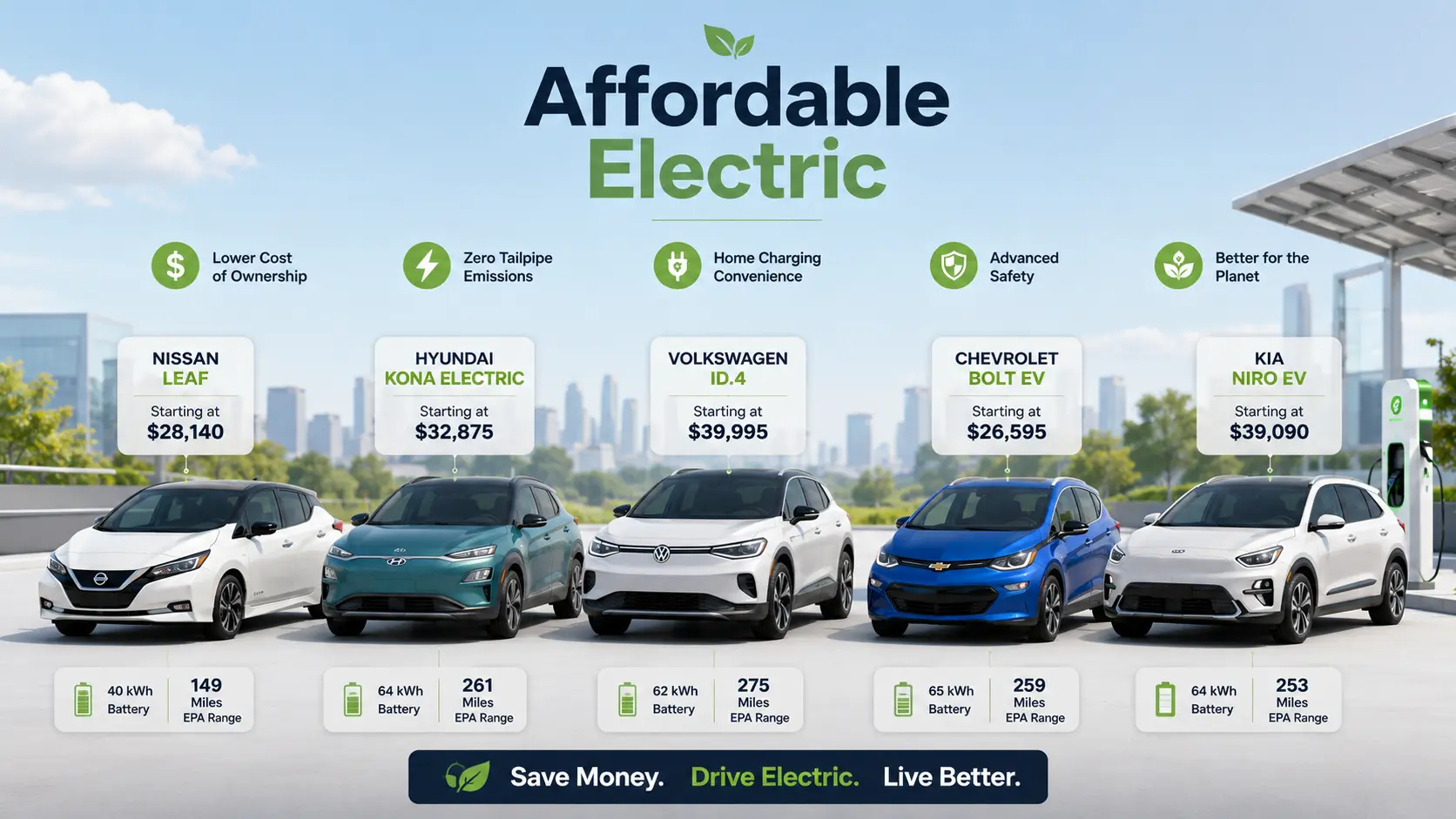
Here’s a quick comparison of the best electric cars under $30,000 in USA based on range, charging speed, and value:
| Model | Price Range | Driving Range (mi) | Charging Time (L2) | Best For |
| Chevrolet Bolt EV | $12k – $20k | 200–250 | 7 Hours | Road-Trip Capable Budget |
| Tesla Model 3 | $22k – $29.5k | 230–310 | 8 Hours | Tech & Charging Network |
| Nissan Leaf Plus | $11k – $20k | 180–215 | 8 Hours | City/Suburb Driving |
| Hyundai Kona EV | $16k – $24k | 220–260 | 9 Hours | Commuter Weekend Trips |
| Kia Niro EV | $16k – $24k | 210–240 | 9 Hours | Comfortable Practicality |
| VW ID.4 | $20k – $28k | 200–260 | 7.5 Hours | Family Interior Space |
| 2026 Nissan Leaf | ~$30k (New) | 303 | 35m (Fast) | New Car Warranty |
| 2027 Chevy Bolt | ~$28k (New) | 250+ | TBC | Latest Budget Tech |
| Hyundai Ioniq EV | $15k – $21k | 170 | 6 Hours | Budget City Commute |
| BMW i3 | $19k – $26k | 153 | 6.5 Hours | Style & Maneuverability |
Pros and Cons of Buying an Electric Car Under $30,000 in USA
Switching to an electric vehicle is a significant lifestyle change. Understanding these specific advantages and disadvantages will help you decide if an EV fits your life in 2026:
The Pros:
-
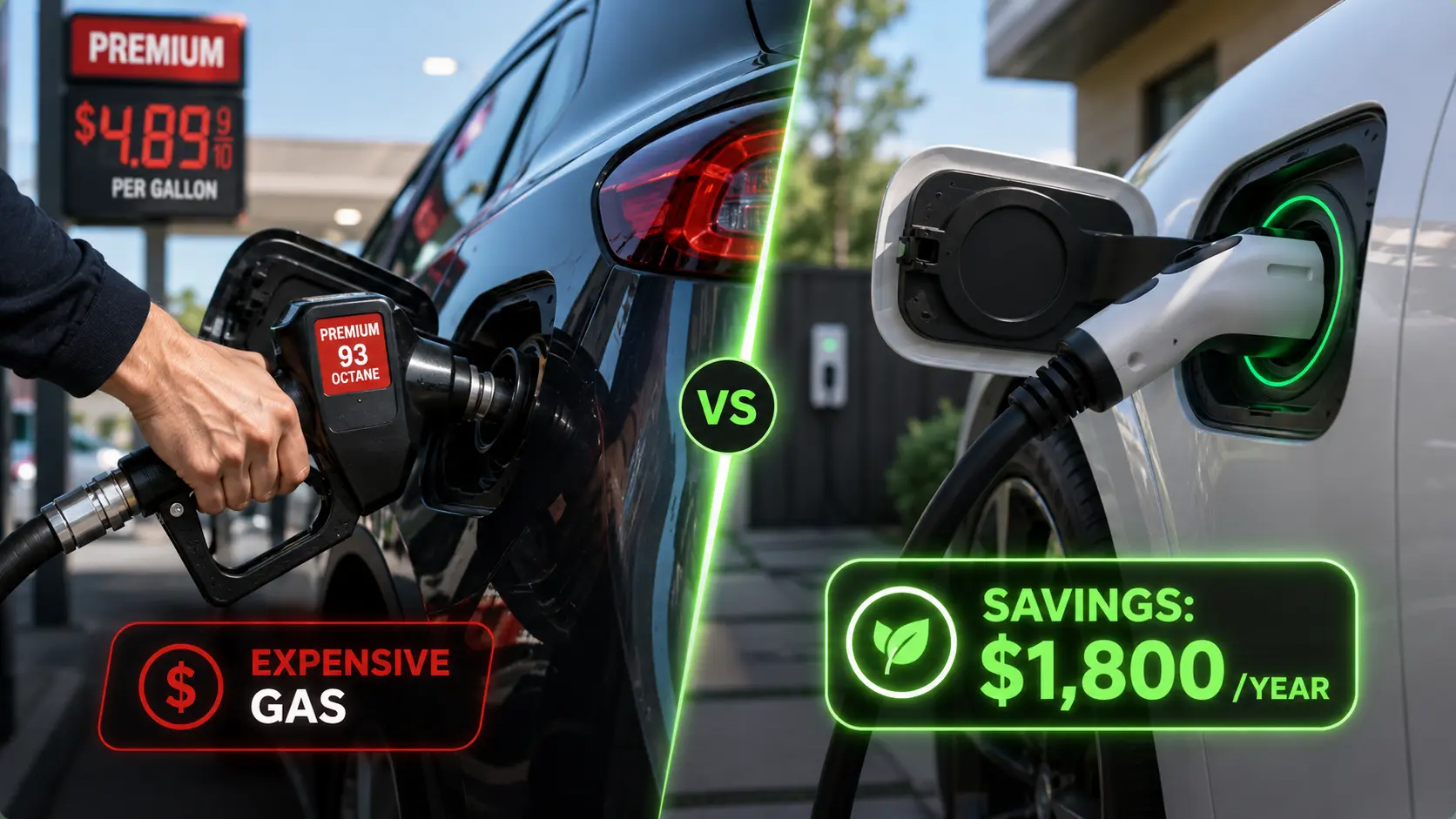
Massive Fuel Savings: With average U.S. gas prices soaring past $4.40 a gallon in mid-2026, EV owners are paying roughly $43 a month to drive 1,000 miles—compared to over $160 for a gas car.
-
30–50% Lower Maintenance: EVs don’t need oil changes, spark plugs, or complex transmission repairs, saving you thousands over 5 years.
-
Stable Energy Costs: Residential electricity prices are regulated and much less volatile than global oil prices.
The Cons:
-
Range Limitations: Most budget EVs under $30k have smaller batteries, which can be a challenge for long-distance highway trips.
-
Charging Infrastructure: If you cannot charge at home, relying solely on public DC fast chargers can be as expensive as buying gas.
-
Faster Depreciation: Early-model EVs often lose their resale value faster than gas cars as newer, longer-range battery technology is released.
- harging Infrastructure Warning: Not every apartment complex or rural area in the USA has easy EV charging access yet. If you cannot charge at home, public charging costs can be high.
If you feel that a pure electric vehicle isn’t the right fit for your lifestyle yet, you can always check our guide on the best hybrid cars under $25,000 for a great middle ground between gas and electric.
EV Incentives & Tax Credits in 2026
One of the most important things to know is that the federal used EV tax credit (Section 25E) officially ended for purchases made on or after October 1, 2025. However, you can still save thousands through other programs:
-
State-Level Rebates: States like California offer grants of up to $14,000 for low-income buyers. Colorado provides a tax credit of up to $3,250 in 2026 for EV purchases.
-
New Jersey Incentives: New Jersey remains one of the strongest states, offering point-of-sale rebates up to $4,000 and a full sales tax exemption on qualifying EVs.
-
Utility Rebates: Many local electric companies offer $250 to $1,000 back just for registering your EV with them or installing a home charger.
-
Home Charger Credit: A federal tax credit of 30% (up to $1,000) is still available for installing home charging equipment through June 30, 2026.
Step-by-Step Buying Guide: The “State of Health” Check
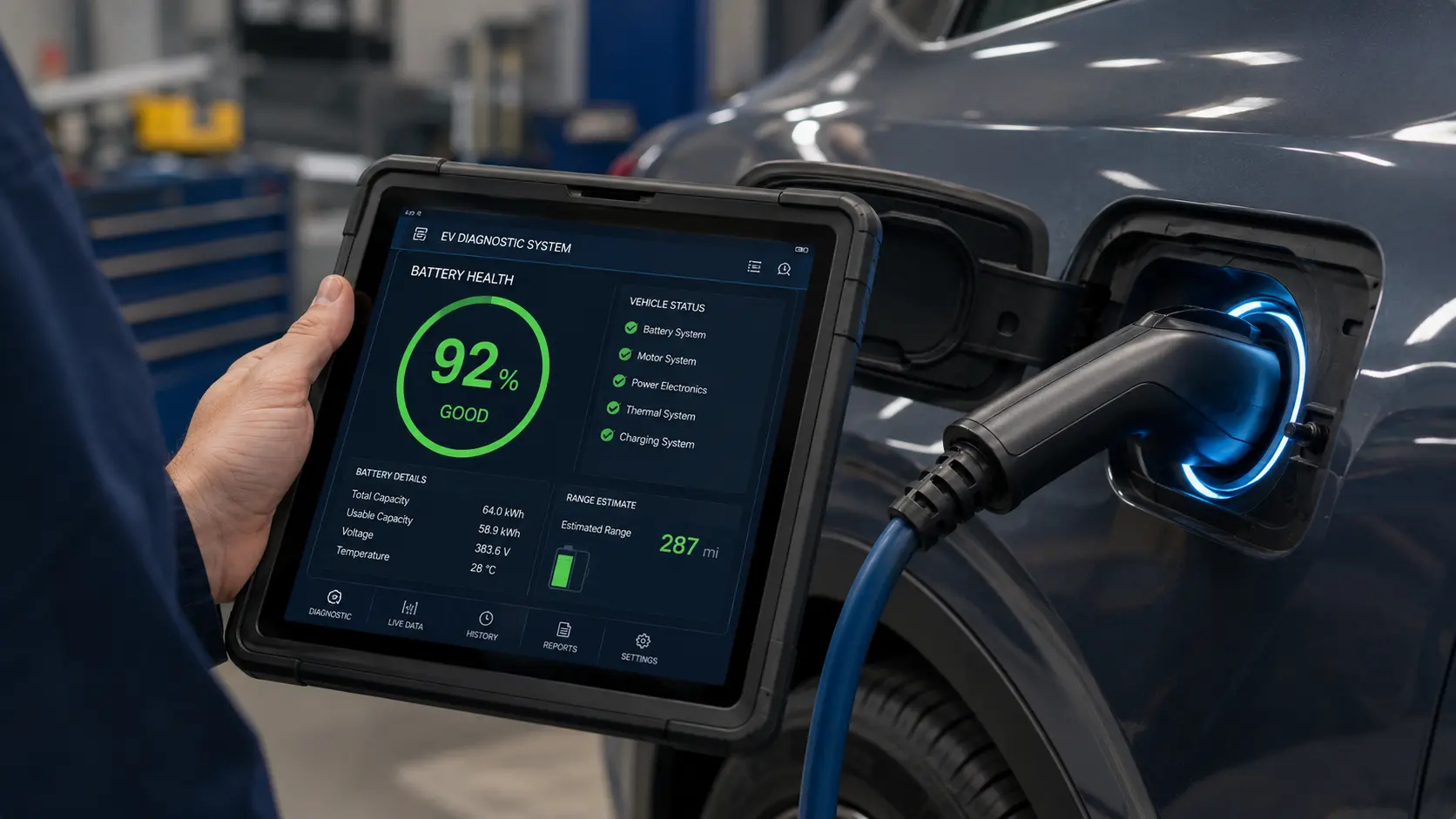
When buying a used EV, the battery’s State of Health (SoH) is more important than the odometer reading:
Before you start visiting dealerships, it’s important to have your budget ready. If you need help with funding, make sure to read our comprehensive car loan guide to get the best interest rates in the USA.
-
Demand an SoH Report: Use an OEM diagnostic tool or a service like “Recharged” to get a percentage. Aim for 85% or higher for a car that is 4–7 years old.
-
Benchmark Health: A battery with 90–94% SoH is considered “good” for most buyers, while anything under 70% should generally be avoided unless you get a massive discount.
-
Check Charging History: If the previous owner exclusively used Fast Chargers, the battery may have degraded faster than a car charged slowly at home.
-
Verify Battery Warranty: Most EVs come with an 8-year/100,000-mile battery warranty. Confirm it is still active by checking the VIN.
- Used EV Warning: Always verify the remaining battery warranty with the manufacturer. Most importantly, avoid flood-damaged EVs, as water can permanently ruin expensive high-voltage battery systems.
Real-Life Savings: EV vs. Petrol (2026 Comparison)
Here is how the math works out for a typical American driver doing 12,000 miles per year:
| Category | Gas Sedan (30 MPG) | Electric Car (Budget EV) |
| Annual Fuel/Energy | ~$1,760 (at $4.40/gal) | ~$510 (Home Charging) |
| Maintenance | ~$900 (Oil, brakes, etc.) | ~$300 (Tires, filters) |
| Total Annual Cost | $2,660 | $810 |
The Result: Switching to one of the best electric cars under $30000 in USA saves you roughly $1,850 every single year. Over 5 years, that is $9,250 back in your pocket!
Frequently Asked Questions (FAQs)
Q: Can I still get a federal tax credit for an EV in 2026?
A: As of 2026, the standard federal tax credits for new and used EV purchases under the Inflation Reduction Act (IRA) have officially expired for vehicles placed in service after September 30, 2025. However, you should check for state-specific rebates (like those in Illinois or Colorado) and utility company incentives that can still save you thousands.
Q: How much does it cost to replace an EV battery in 2026?
A: Battery prices are falling, with projected costs hitting roughly $80/kWh in 2026. For a mainstream used EV like a Chevy Bolt or Nissan Leaf, a full out-of-warranty replacement typically costs between $4,000 and $12,000, depending on the battery size and whether you choose a refurbished unit.
Q: What is the real-world maintenance saving for an EV?
A: On average, EV owners spend 30% to 50% less on routine maintenance compared to gas car owners in 2026. This usually translates to a direct saving of $300 to $600 every year because you skip oil changes, spark plugs, and complex engine repairs.
Q: Is home charging expensive to install in 2026?
A: Installing a Level 2 home charger typically costs between $800 and $2,500. While the hardware costs $400–$800, labor and potential electrical panel upgrades make up the rest. Note that a 30% federal tax credit (up to $1,000) for charger installation is still available for eligible primary residences until June 30, 2026.
Q: Which budget EV is best for long highway trips?
A: Under the $30,000 mark, the Tesla Model 3 is the best choice for road trips due to its access to the highly reliable Tesla Supercharger network, which allows for much faster and easier charging across the USA.
Q: How long do EV tires last compared to gas cars?
A: Because electric cars are heavier and provide instant power, their tires often wear out 20% faster. It is recommended to choose tires specifically designed for EVs to maintain range and longevity.
Conclusion: Making the Smart Choice in 2026
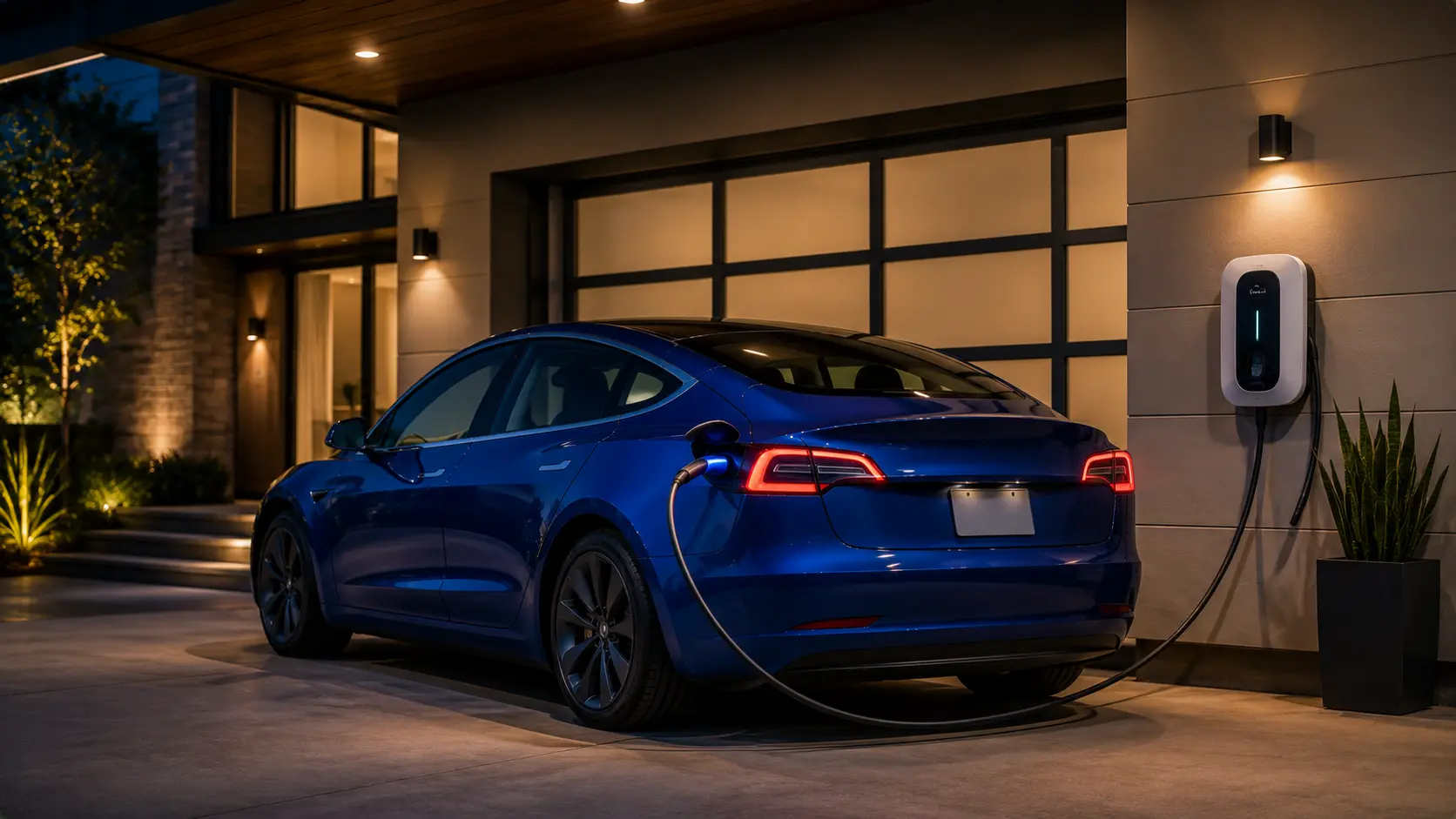
Choosing one of the best electric cars under $30000 in USA is no longer just a trend—it’s a calculated financial move. While the initial purchase price might be higher than a used gas car, the combined energy and maintenance savings of roughly $1,850 per year mean that most owners break even within just a few years.
Even though the major federal purchase credits have ended, the growth of state-level incentives and the drop in battery replacement costs make 2026 a great time to go electric. Whether you prioritize the tech of a Tesla, the range of a Chevy Bolt, or the value of a Nissan Leaf, you are investing in a cleaner and more affordable future.
At SwatWheelz, we believe that the road ahead is electric. Take a test drive, check your local utility rebates, and join the thousands of Americans who are saying goodbye to the gas pump for good.