1. Introduction
If you are looking for the 7 most reliable used cars under $15000, you have come to the right place.Buying a used car in the USA in 2026 is a completely different ballgame than it was a few years ago. With technology advancing rapidly and the cost of living hitting new highs, every dollar counts. For most hard-working Americans, a budget of $15,000 is the “sweet spot”—it’s enough to avoid high-mileage junk but low enough to keep your monthly budget intact.
However, the fear of buying a “lemon” (a car with hidden mechanical issues) is real. At SwatWheelz, we believe that financial freedom starts with making smart automotive choices. Whether you are a student, a daily commuter, or someone looking to finance a car with bad credit, this guide will help you navigate the 2026 used car market with confidence.
2. Why These 7 Cars? Our 2026 Selection Criteria
To make it to this list, a vehicle must pass four strict tests:
-
Longevity: Can it easily pass 200,000 miles with basic maintenance?
-
Parts Availability: Are spare parts cheap and available in local US auto shops?
-
Safety: Does it have high ratings from the IIHS and NHTSA?
-
Resale Value: If you sell it in 2 years, will you get a fair price back?

3. The Top 7 Reliable Picks Under $15,000
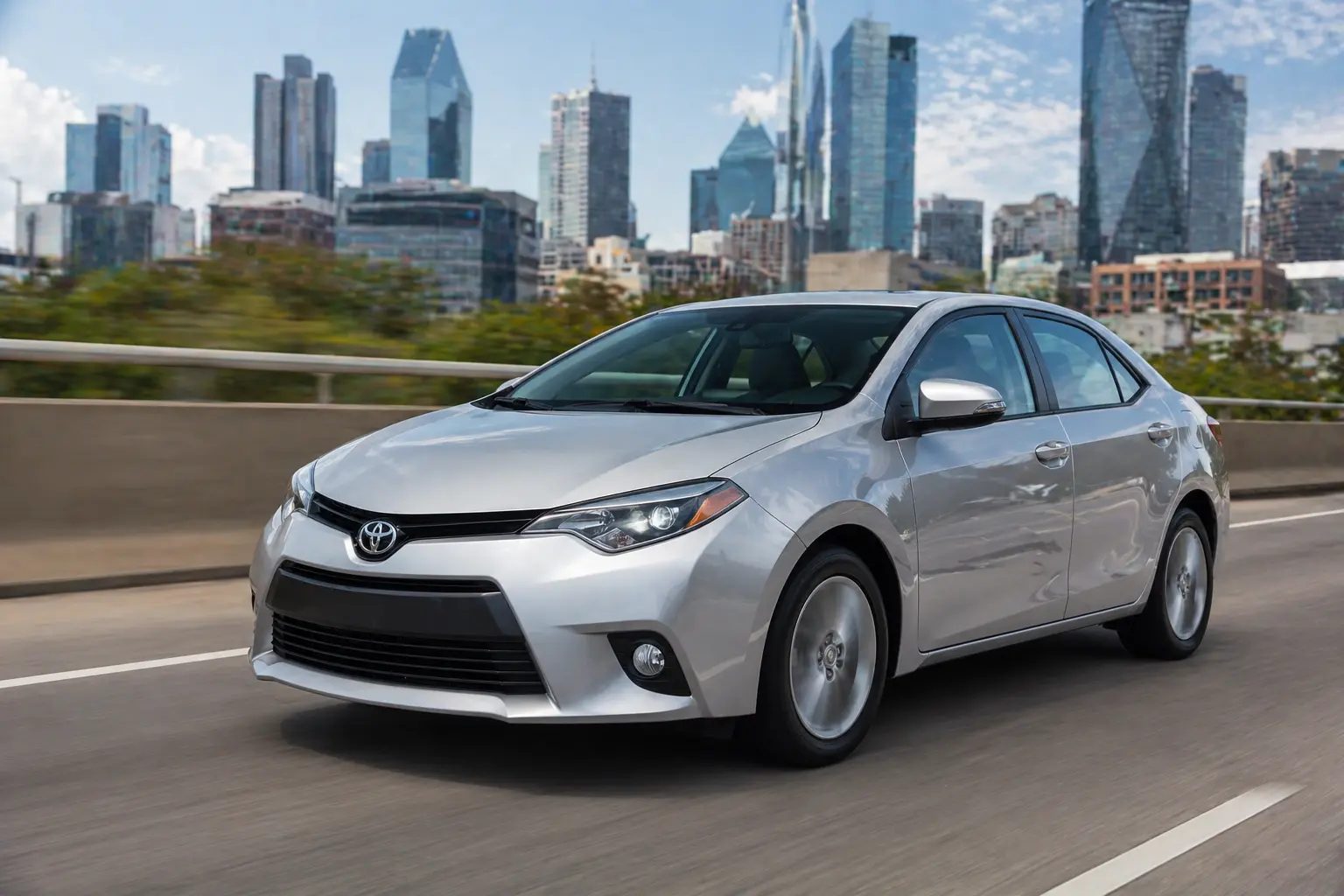
#1 Toyota Corolla (2014–2019) – The Reliability King
The Toyota Corolla is the gold standard for anyone who hates visiting the mechanic. In 2026, models from 2014 to 2019 are widely available under $15k.
-
Why buy it: It uses a simple naturally aspirated engine and a proven CVT transmission.
-
Cost of Ownership: Lowest in its class.
-
2026 Market Price: $11,000 – $14,500.
#2 Honda Civic (2013–2015) – The Balanced Choice
While the 10th generation Civics are great, the 9th generation (2013-2015) is considered “bulletproof” by enthusiasts. It offers better driving dynamics than the Corolla and a more youthful interior.
-
Why buy it: Incredible fuel economy and a history of minimal engine failures.
-
2026 Market Price: $10,500 – $13,000.
#3 Mazda3 (2014–2018) – Premium Feel on a Budget
If you want a car that feels like a luxury vehicle inside but costs like a budget car to maintain, the Mazda3 with SkyActiv technology is the winner.
-
Why buy it: No CVT issues (it uses a traditional 6-speed auto) and beautiful aesthetics.
-
2026 Market Price: $12,000 – $14,800.
#4 Toyota Camry (2012–2014) – For the Family Man
If you need more space, the older Camry is a tank. It’s larger, more comfortable for long highway drives, and can easily handle a family of five.
-
Why buy it: Massive trunk space and legendary 2.5L engine reliability.
-
2026 Market Price: $9,000 – $13,500.
#5 Honda Fit (2015–2018) – The City Commuter
For those living in congested cities like New York or Chicago, the Honda Fit is a “Magic” car. Its rear seats fold completely flat, giving it SUV-like cargo space in a tiny footprint.
-
Why buy it: Exceptional fuel efficiency (up to 38 MPG) and easy parking.
-
2026 Market Price: $11,500 – $14,000.
#6 Subaru Impreza (2015–2017) – Best for Snow
Living in the “Snow Belt”? The Impreza comes standard with All-Wheel Drive (AWD), making it the safest budget pick for winter driving.
-
Why buy it: Superior grip and safety features.
-
2026 Market Price: $12,500 – $14,500.
#7 Ford Fusion (2017–2019) – The American Comfort
While Japanese cars dominate reliability, the later models of the Ford Fusion offer a very quiet and smooth ride that competes with luxury brands.
-
Why buy it: High-tech infotainment and comfortable seating for long commutes.
-
2026 Market Price: $10,000 – $14,000.
-
4. Detailed Comparison Table
-
1. Complete Comparison Table (Copy & Paste)
Aapne pehle jo table banaya tha usay delete karein aur ye naya 7-Cars wala table wahan paste kar den. Ye SEO ke liye bohot zaruri hai.
Model Reliability Score Best Feature 2026 Price Range Toyota Corolla 9.8/10 Low Maintenance $11k – $14k Honda Civic 9.2/10 Fuel Economy $10k – $13k Mazda3 8.8/10 Premium Interior $12k – $14.5k Toyota Camry 9.5/10 Family Comfort $9k – $13.5k Honda Fit 8.9/10 City Driving $11.5k – $14k Subaru Impreza 8.5/10 AWD Performance $12k – $14k Ford Fusion 8.3/10 Overall Comfort $10k – $14k
5. The Hidden Costs of Buying a $15,000 Car
Buying a car isn’t just about the sticker price. In the USA, “Out-the-Door” (OTD) pricing can often be 10% to 15% higher than the advertised price. To stay under your $15,000 budget, you need to account for these hidden factors:
-
Sales Tax: Depending on your state (e.g., California vs. Florida), sales tax can add $800 to $1,200 to your purchase.
-
Registration and Title Fees: These are mandatory government fees to prove ownership.
-
Documentation (Doc) Fees: Dealerships charge this for processing paperwork. It can range from $100 to $800.
-
Insurance Premiums: As we discussed in our insurance guide, older cars might have different premium rates based on their safety features.
6. Where to Find the Best Deals in 2026?
In 2026, the marketplace has shifted. You have three main options, each with its own pros and cons:
A. Certified Pre-Owned (CPO) Dealerships
If you want peace of mind, go for CPO. These cars undergo a 150-point inspection and often come with a limited warranty.
-
Pros: Lower risk, better financing options.
-
Cons: Highest prices in the used market.
B. Online Retailers (Carvana, Vroom, etc.)
These platforms offer the ultimate convenience: the car is delivered to your doorstep.
-
Pros: 7-day return policy, no-haggle pricing.
-
Cons: You can’t test drive the car before it arrives.
C. Private Sellers (Facebook Marketplace / Craigslist)
This is where the best $15,000 deals are hidden, but it’s also where the most scams happen.
-
Pros: No dealership fees, room for heavy negotiation.
-
Cons: No warranty, risk of title fraud.
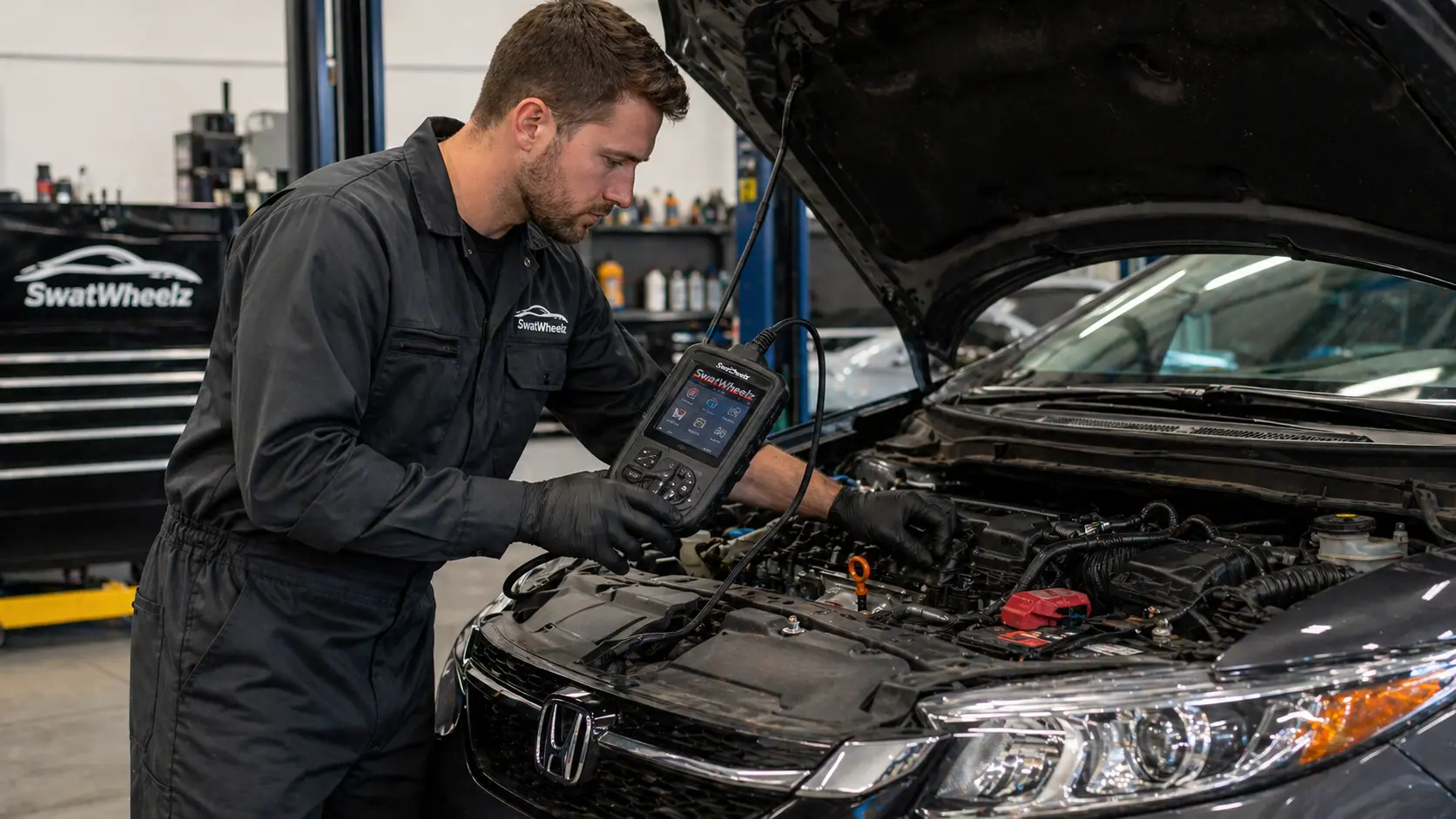
7. The 5-Step “Pro” Inspection Guide
Before you sign any papers or hand over cash, follow this checklist to ensure the car is solid:
-
The Cold Start Test: Ask the seller not to warm up the car before you arrive. Listen for any rattles, smoke, or rough idling during a cold start.
-
Fluid Check: Check the oil and transmission fluid. If the oil is milky, it could mean a blown head gasket. If the transmission fluid smells burnt, stay away!
-
Tire Wear Patterns: If the tires are worn unevenly, the car likely has alignment or suspension issues.
-
Electronic Scrutiny: Test every single button. Windows, AC, sunroof, and especially the infotainment system.
-
The Test Drive: Don’t just drive around the block. Take it on the highway. Does it pull to one side? Do the brakes squeak?
8. Financing Your $15,000 Purchase
Even with a mid-range budget, financing is a smart move for many Americans to keep their cash flow steady. However, used car loans often come with higher interest rates.
If you are struggling with a low credit score, make sure to read our detailed guide on how to get a car loan with bad credit in the USA before visiting any dealership.
To protect your investment without breaking the bank, check out our expert tips on finding the cheapest car insurance for young drivers in the 2026 market.
If you have a low credit score, don’t let a dealership talk you into a 25% APR loan. Instead:
-
Join a Credit Union: They often offer 2% to 4% lower rates than big banks.
-
The 20/4/10 Rule: Put 20% down, finance for no more than 4 years, and keep total car costs under 10% of your monthly income.

9. Maintenance Strategy for High-Mileage Vehicles
Since most reliable cars under $15,000 in 2026 will likely have between 80,000 to 120,000 miles, proactive maintenance is the only way to avoid catastrophic failures. Buying the car is just the start; keeping it on the road requires a disciplined approach.
-
The 5,000-Mile Rule: Even if the manufacturer says 10,000 miles, for an older engine, stick to full synthetic oil changes every 5,000 miles. This prevents sludge buildup in high-mileage Toyota and Honda engines.
-
Transmission Flush vs. Drain & Fill: For cars like the Mazda3 or older Ford Fusions, never “power flush” a high-mileage transmission. A simple “drain and fill” is safer to prevent slipping.
-
Cooling System Overhaul: At 100k miles, rubber hoses and plastic radiator tanks become brittle. Replacing these preventatively can save you from a blown head gasket due to overheating.
-
Suspension and Bushings: Around $15k, you might notice “clunking” sounds. Replacing struts and control arm bushings can make a 10-year-old car feel brand new again.
10. 2026 Technology Trends: Why Tech Matters in Used Cars
In 2026, a car isn’t just transportation; it’s a mobile office. When shopping for a used vehicle, don’t overlook the infotainment system.
-
Apple CarPlay & Android Auto: Prioritize models (like 2017+ Corollas or Fusions) that support these. They keep your maps and music updated without needing expensive factory GPS updates.
-
Safety Tech (ADAS): Look for “Toyota Safety Sense” or “Honda Sensing.” Having adaptive cruise control and lane-keep assist can significantly lower your car insurance premiums by reducing accident risks.
11. Frequently Asked Questions (FAQs)
Q1: Is 100,000 miles too much for a used car in 2026? A: Not anymore. With modern synthetic oils and engineering, a well-maintained Toyota or Honda can easily reach 250,000 miles. Focus on the service history (CARFAX) rather than just the odometer reading.
Q2: Should I buy a used Hybrid for under $15k? A: Be cautious. While a Prius is reliable, a battery replacement in 2026 can cost $2,000 to $4,000. If the battery hasn’t been replaced recently, stick to a traditional gasoline engine for this budget.
Q3: Can I get a car loan for a vehicle older than 10 years? A: It’s harder, but possible. Most credit unions will finance older cars, but the interest rates may be 2-3% higher. Check our bad credit financing guide for specific lender lists.
Q4: What is the best month to buy a used car in the USA? A: Typically, late December or early January. Dealerships are desperate to meet year-end quotas and are more likely to waive documentation fees or lower the price.
12. Conclusion: Your Road to Financial Freedom
Choosing a reliable used car under $15,000 isn’t just about saving money; it’s about making a strategic financial move. By avoiding the massive depreciation of a new car, you free up monthly cash flow to invest, save, or rebuild your credit score.
Stick to the brands we’ve discussed—Toyota, Honda, and Mazda—do your homework with a CARFAX report, and never skip a pre-purchase inspection. At SwatWheelz, we want to see you behind the wheel of a car that brings you peace of mind, not mechanical headaches.