Best Car Insurance Companies for International Students in USA (2026 Guide)
The Sticker Shock Is Real — Here’s How to Deal With It.
Picture this: you’ve spent weeks researching cars, finally found a solid used Toyota Corolla for a fair price, and then you get your first insurance quote. Two hundred and fifty dollars a month. Maybe more.
That’s the moment most international students realize car ownership in America comes with a hidden tax.
This isn’t just about finding cheap insurance. The harder problem is finding a company that will actually work with you — especially if you don’t have a Social Security number, haven’t built any U.S. credit history, or are still driving on a foreign license or International Driving Permit.
Not every insurer is equipped to handle that situation well. Some are far more flexible than others, and knowing which ones to call first can save you hundreds of dollars and a lot of frustration.
This guide covers the best car insurance companies for international students in the U.S., why premiums run so high, the coverage decisions that actually matter, and practical steps you can take to lower your costs in 2026.
Why Does Insurance Cost So Much for International Students?
Insurance companies are, at their core, data companies. They price your policy based on how much risk they think you represent — and if you’re new to the U.S., you’re essentially a blank page.
Your Overseas Driving History Doesn’t Count (Much)

You might have driven confidently for a decade in another country. Unfortunately, most American insurers can’t verify foreign driving records in any meaningful way. Without a verifiable U.S. history, they often treat you the same as a brand-new driver. That bumps up your premium significantly.
No U.S. Credit History Hurts More Than You’d Expect
Most states allow insurers to factor in credit-based insurance scores when setting your rate. International students often arrive with zero U.S. credit history, which pushes premiums higher even if you’re a perfectly responsible person financially.
Important 2026 Fact: There is a major exception to this rule. If you study in California, Hawaii, or Massachusetts, state laws strictly prohibit insurance companies from using your credit score to determine your premium. International students in these states have a distinct advantage!
Age Works Against Younger Drivers
If you’re between 18 and 24, you’re already in the age bracket that statistically files more claims. That means higher rates across the board — for domestic students too, but it compounds when you’re also new to the country. To see how age dynamics affect your rates, read our extensive guide on how to lower car insurance for young drivers in USA.
Your ZIP Code Can Make or Break Your Budget
This one surprises a lot of students. Insurance costs aren’t just about you — they’re also about where you live. Urban ZIP codes with higher accident rates, theft rates, or traffic density carry higher premiums. Students in parts of Florida, California, Michigan, and New York often pay noticeably more than students attending school in smaller college towns.
Can International Students Get Car Insurance Without an SSN?
Yes — and this is worth saying clearly because a lot of students assume the answer is no.
Many insurers will accept alternative identification, including:
-
Foreign driver’s licenses
-
International Driving Permits (IDPs)
-
Passports and Visa documentation
-
ITIN numbers
That said, every company and every state handles this a little differently. The key is to ask directly before assuming you’re out of options.
Not having an SSN may mean slightly higher premiums because you won’t have the U.S. credit profile insurers use in their scoring models. But it doesn’t automatically disqualify you. Comparing quotes from multiple companies matters more than almost anything else.
Full Coverage vs. Liability: Which One Do You Actually Need?
One of the most expensive mistakes students make is choosing coverage they don’t understand — either overpaying for something unnecessary or leaving themselves seriously exposed. This often happens right after purchasing a vehicle. If you are still in the shopping phase, check out our comprehensive blueprint on how to buy a car in the USA as an international student.
Liability insurance covers damage and injuries you cause to other people. It generally does not cover your own vehicle. It’s usually cheaper, and for older paid-off cars, it may be all you need.
Full coverage bundles liability, collision (damage to your car in an accident), and comprehensive (theft, weather, fire). It costs more but protects your actual car.
Here’s the part that matters most: if your car is financed, your lender will almost certainly require full coverage. They have a financial interest in the vehicle until your loan is paid off, and they’ll want it protected.
A word on deductibles: This is the amount you pay out of pocket before insurance kicks in. Choosing a $2,000 deductible might look great on your monthly premium — but if you don’t have $2,000 sitting in a bank account, that’s a dangerous gamble after an accident. Be realistic about what you can actually cover.
What Students Actually Pay: Estimated Monthly Costs
When researching the best car insurance companies for international students, it is important to know the estimated monthly costs.
These are realistic ranges, not guarantees. Your actual quote depends on your state, ZIP code, age, vehicle, and driving profile.
| Driver Situation | Estimated Monthly Cost |
| Foreign license, limited U.S. history | $250–$450 |
| U.S. license, some history | $180–$300 |
| Using a telematics/app program | $140–$250 |
| Sports or performance car | $350–$600+ |
| Economy sedan (Corolla, Civic) | $140–$260 |
The Best Car Insurance Companies for International Students
These companies tend to handle international student situations better than average — but always get your own quote, because pricing is highly individual.
1. State Farm
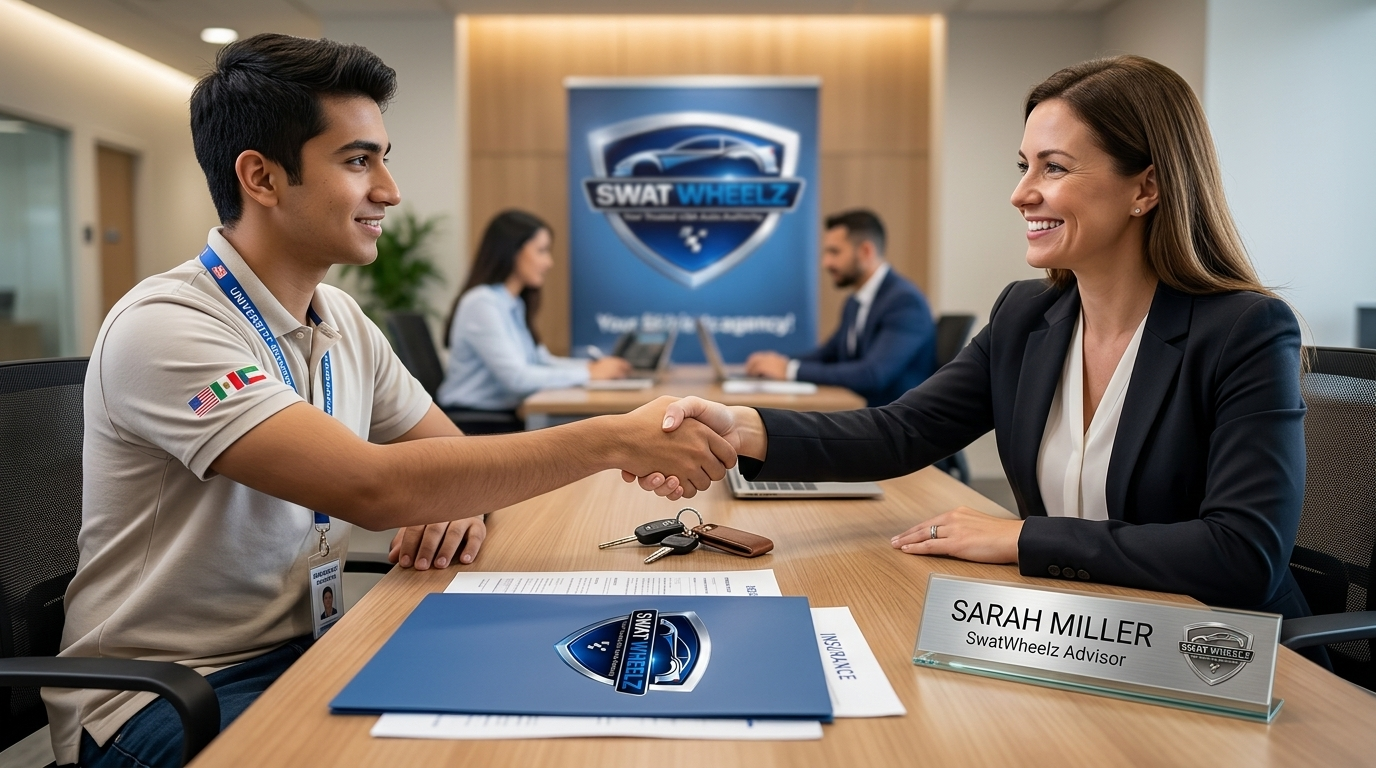
State Farm is probably the most consistently recommended option for international students, and the reason comes down to one thing: local agents.
When you’re navigating an unfamiliar system in a new country, having an actual person to call — someone who can walk you through your options and answer questions without a chatbot — is genuinely valuable. State Farm’s agent network is the largest in the country.
They also tend to be more flexible during that early transition period when you’re still getting settled and building your U.S. profile.
-
Best for: Students who want personal guidance, local support, and have no SSN.
-
Watch out for: Rates can vary a lot by state. Young drivers still pay more.
2. Progressive
Progressive is worth comparing for its strong online tools and its willingness to work with foreign licenses in certain states. Their Snapshot telematics program can also lower costs if you’re a careful driver.
-
Best for: Students comfortable handling things online and comparing multiple coverage options.
-
Watch out for: Renewal rates sometimes jump more than expected.
3. GEICO
GEICO has one of the better mobile apps in the industry and solid discount programs. For students who are confident managing everything digitally and already have some U.S. footprint, it’s worth a quote.
-
Best for: Tech-comfortable students looking for digital-first management and cheap liability.
-
Watch out for: Some students with no U.S. driving history hit more friction during the application process.
4. Farmers Insurance & Bristol West
Farmers tends to stand out for its agent support and student-specific discount opportunities. Additionally, their subsidiary, Bristol West, is specifically designed to help drivers with zero U.S. credit history.
-
Best for: Students who want a more hands-on, agent-led experience or have zero credit history.
-
Watch out for: Base premiums can run higher. Availability varies by state.
5. Root Insurance & Allstate (Drivewise)
These companies work differently from traditional insurers. Instead of leaning heavily on credit scores and driving history to set your rate, they evaluate your actual driving behavior through a smartphone app (Telematics) during a test period.
For international students who lack a U.S. credit file but drive responsibly, this approach can work perfectly in your favor.
-
Best for: Safe drivers who want their behavior — not their background — to determine their rate.
-
Watch out for: Not available in all states. Poor test-period driving raises your rate instead.
What About Getting Added to a Family Member’s Policy?
If you’re living with a host family or a relative who already has auto insurance, being added to their existing household policy can sometimes significantly reduce what you’d pay compared to buying a separate policy on your own.
This works when the primary policyholder discloses you properly as a driver. What you should never do is drive a car you’re not listed on without the insurer’s knowledge. If a claim gets filed and you weren’t disclosed, coverage can be denied entirely.
Common Mistakes That Cost Students Money
Grabbing the Cheapest Policy Without Understanding It:
State minimum liability coverage is cheap for a reason — it often leaves you exposed after anything more than a fender bender. Understand what you’re buying.
Choosing the Wrong Car Before Getting Insurance Quotes:
A muscle car or a turbocharged sports sedan might seem worth it until the insurance quote arrives. Economy sedans aren’t just easier on gas — they’re meaningfully cheaper to insure.
Ignoring ZIP Code When Budgeting:
Students often budget carefully for rent and tuition but don’t account for how much insurance costs can swing based on where they live. It’s worth knowing before you sign a lease.
Setting a Deductible You Can’t Actually Afford:
A $2,500 deductible sounds great when it lowers your monthly bill by $40. It doesn’t sound great when you’re in an accident and suddenly owe $2,500 before your coverage does anything.
Driving Without Insurance:
This one isn’t worth any financial math. Driving uninsured in the U.S. can mean fines, license suspension, and personal financial liability after an accident. Don’t do it.
Practical Ways to Lower Your Premium
-
Get at least 3–5 quotes. Pricing between insurers for the same driver can vary by hundreds of dollars per year. There’s no substitute for comparison shopping.
-
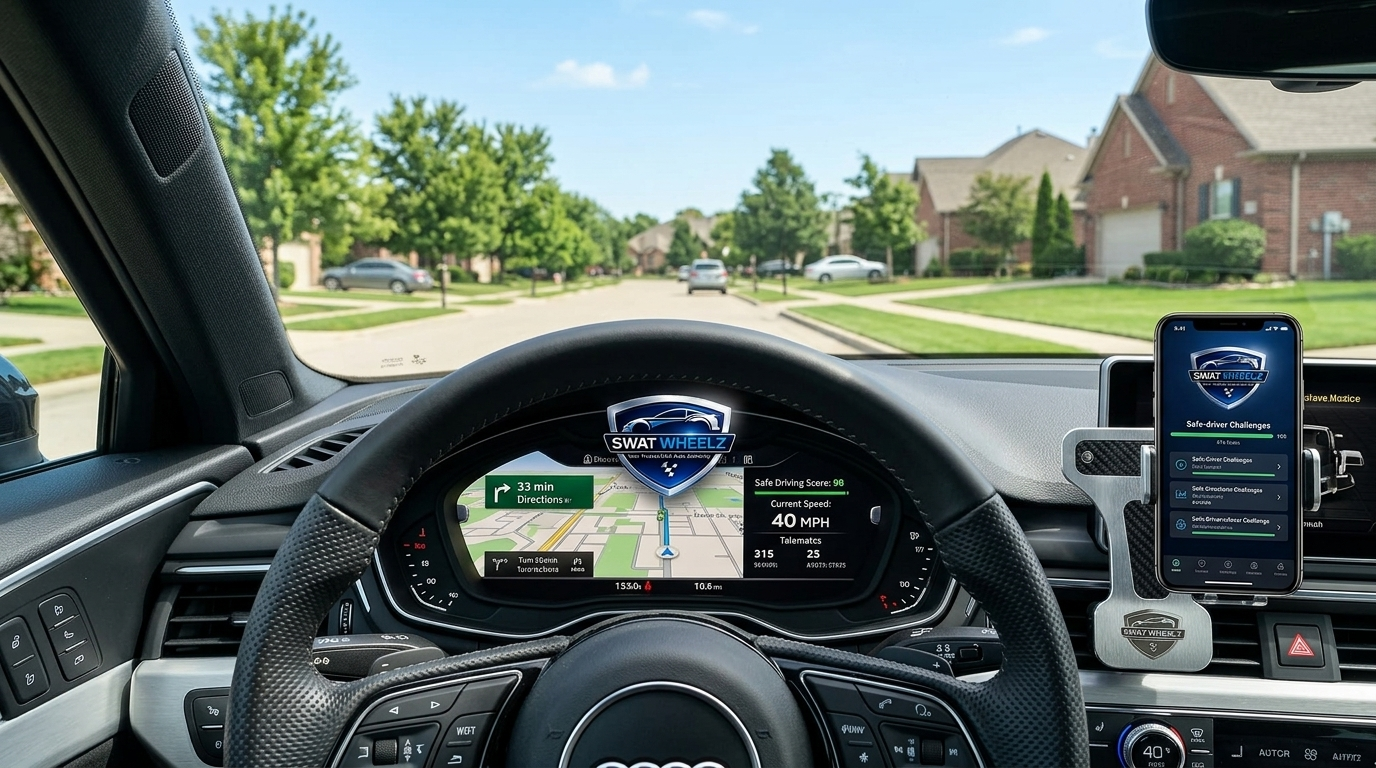
Use telematics programs. Snapshot (Progressive), Drivewise (Allstate), and similar programs can reduce premiums meaningfully for careful drivers.
-
Ask about good student discounts. Many insurers offer discounts for students maintaining a strong GPA.
-
Drive an insurance-friendly car. Toyota Corolla, Honda Civic, Hyundai Elantra, Toyota Prius — these aren’t exciting choices, but they’re dramatically cheaper to insure.
-
Get your U.S. driver’s license as soon as you’re eligible. Most students see a meaningful rate improvement once they have a valid U.S. license.
For more detailed tips, read our full guide on How to Lower Car Insurance for Young Drivers in USA.
Frequently Asked Questions
Finding the best car insurance companies for international students depends heavily on your specific state and visa status.
Can I buy car insurance with an international driver’s license?
Yes. Many insurers accept foreign licenses or IDPs depending on the state and their underwriting rules. Confirm directly with the company before purchasing a vehicle.
Do I need an SSN to get auto insurance?
Not always. Some insurers use alternative identification like your passport, Visa, or ITIN. Ask each company what they accept.
What’s the cheapest car insurance for F-1 students?
There’s no single answer — it depends on your state, ZIP code, age, vehicle, and driving profile. The only way to find your cheapest option is to compare quotes.
What happens if I drive without insurance?
In most states: massive fines, possible license suspension, vehicle impoundment, and personal liability if you’re in an accident. It’s also one of the fastest ways to make future insurance more expensive.
Will insurance get cheaper after I get a U.S. license?
In most cases, yes — especially once you start building a verifiable U.S. driving record.
Is liability-only coverage enough?
For an older paid-off car, possibly. For any financed vehicle, your lender will typically require full coverage to protect their investment.
Which cars are cheapest to insure as an international student?
Toyota Corolla, Honda Civic, Hyundai Elantra, and Toyota Prius consistently come out among the most affordable to insure for younger and newer U.S. drivers.
Conclusion
Car insurance as an international student is genuinely more complicated than it should be. Between limited U.S. history, the credit score factor, and insurance rules that vary state by state, there’s a real learning curve.
But the situation isn’t as bleak as that first quote suggests. The students who end up paying less are usually the ones who compared multiple companies instead of going with the first option, chose a practical car over an exciting one, understood what their policy actually covers, and took advantage of every discount available to them.
Start with quotes from State Farm, Progressive, and GEICO, then expand from there. Be upfront about your situation — foreign license, no SSN if applicable, limited U.S. history — and let their answers guide your decision.
About the Author & Editorial Process
Written by: Shaukat Ali
Content Strategist and Automotive Research Lead at SwatWheelz.
Fact-Checked & Reviewed by: The SwatWheelz Editorial Team
This guide was developed based on publicly available insurer information, real-world 2026 state DMV laws, and practical research into insurance considerations for F-1 international students in the USA. Our goal is to provide unbiased, expert-driven advice to ensure you find safe and affordable coverage.
Last Updated: May 17, 2026